Heritage Power Rack
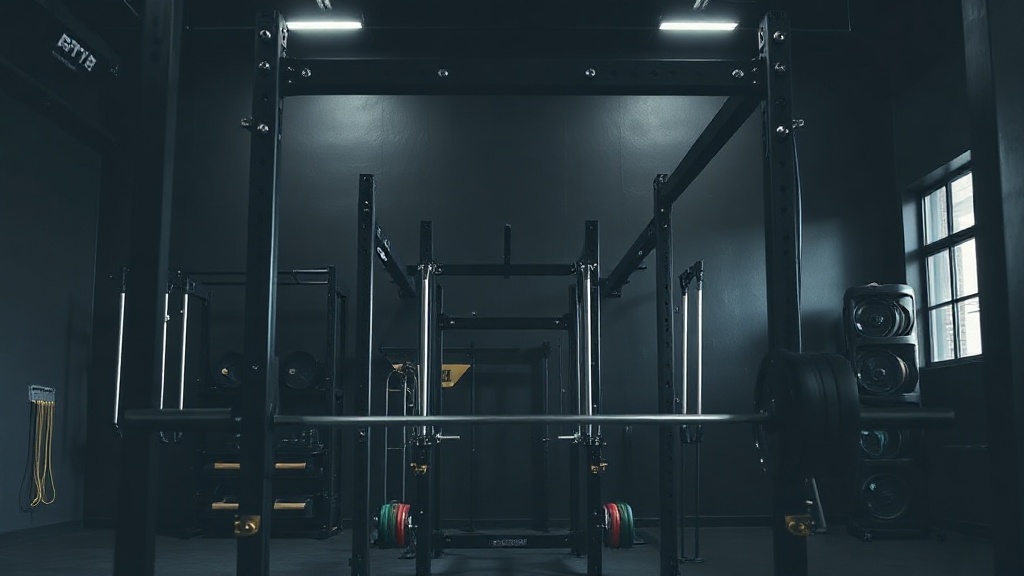
Most strength equipment is engineered to a price. The Heritage Power Rack is engineered to a standard — the 11-gauge steel uprights maintain a 1,000 lb static load rating without flex, and the welded baseplate distributes force evenly across twelve anchor points. This is the rack that strength coaches order when they want something that will still be square and solid a decade from now. The finish is a matte black powdercoat applied in two stages: a zinc phosphate primer for corrosion resistance, then a structural polyurethane topcoat that resists chalk, iron dust, and the daily abuse of a working gym. Each upright is laser-etched with inch and half-inch hole spacing, readable at a glance while under load. J-cups are machined from solid 4140 steel with a UHMW liner to protect knurling. The footprint is 48 inches square — compact enough for a standard two-car garage bay. The depth is configurable: the pull-up station and band pegs bolt at four positions, allowing you to close the rack for squats or open it for bench work without moving the unit.
Or from $283/mo with Affirm · Apple Pay · Shop Pay available at checkout
Customer Reviews
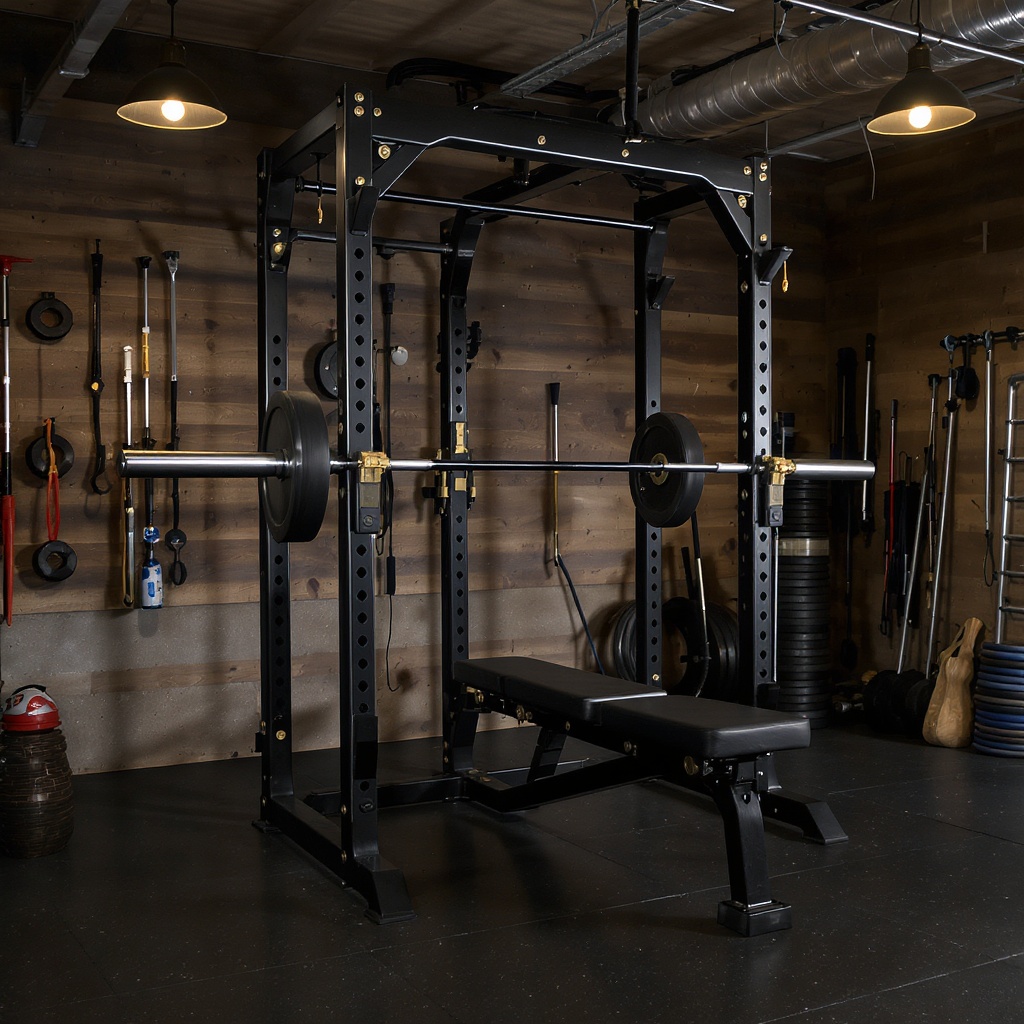
I have had commercial racks at four different gyms. This is better than any of them. The 11-gauge steel gauge is immediately apparent the moment you grab the upright — there is zero rattle under load, zero flex at standing-height safeties with 400 lbs, and zero wobble in the pull-up bar under kip momentum. The welded (not bolted) gussets are what make this possible. Bolted gussets loosen. These do not.
The UHMW liners on the J-cups alone justify the price. Three years of daily use — deadlifts, squats, bench press — and the knurling on my bars looks the same as the day I received them. Every other rack I have owned has scored the knurling within months. The 4140 steel J-cup body means the cups have not deformed at the contact points either. This is the correct specification for the application.
My garage gym in the Pacific Northwest sees significant humidity year-round. The zinc phosphate primer under the polyurethane topcoat has kept this rack rust-free across two full winters. A previous rack with a direct powder coat developed surface rust at all scratch points within one season. The two-stage finish here is the correct specification for equipment that will live outside a climate-controlled environment.
The 5/8-inch holes for Westside-pattern accessories mean this rack accepts the full ecosystem of specialty attachments that serious strength athletes actually use — belt squat attachments, monolift hooks, landmine units. I added three attachments in the first six months. None required drilling or modification. The foresight to include this pattern instead of a proprietary spec is worth noting.
The rack is everything the specification describes: a welded, full-gauge, properly finished piece of strength equipment. The shipping process requires navigating three crates of varying sizes, which is manageable with two people but would benefit from clearer labeling of assembly sequence. Once assembled — which the fully welded construction makes simple — the rack has not required any attention in four months of daily use.
I designed my home gym around a 10 × 12 foot space. The 48-inch base footprint means this rack occupies exactly one corner without compromising the floor space I need for accessory work. Competing racks at this specification run 54 to 60 inches in footprint. The configurable depth — 58 or 72 inches via removable cross-member — allowed me to use the wider depth for bench and close it for squats without moving anything.