Carbon Tour eBike
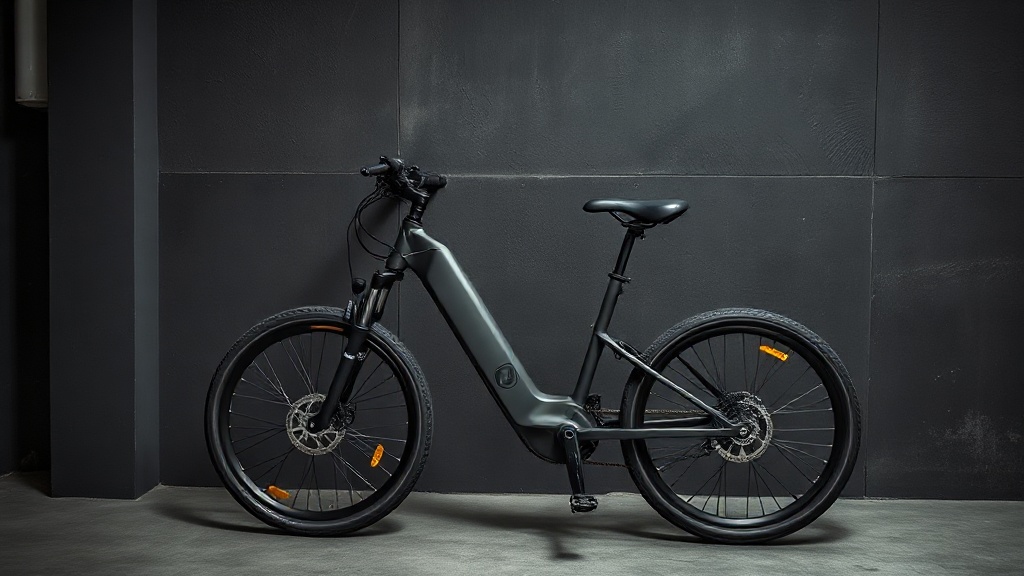
The Carbon Tour begins with a monocoque frame laid up in T800 carbon fiber — the same aerospace-grade material used in commercial aircraft fuselage panels. The result is a frameset that weighs 1.9 kg and absorbs road vibration through engineered flex zones rather than added suspension mass. This is a bicycle first. The motor assists; it does not replace. The mid-drive motor delivers 85Nm of torque with a cadence-based control algorithm that responds to pedaling input within 15 milliseconds. Riders accustomed to entry-level assist systems will notice the difference immediately: the power feels proportional, not intrusive. The 720Wh battery is integrated flush into the down tube and provides up to 140 km of range in ECO mode on a single charge. The component spec reflects the same philosophy as the frame — nothing superfluous, everything chosen for longevity. Hydraulic flat-mount disc brakes with 180mm rotors. A 12-speed drivetrain with a 10-51 cassette that handles both alpine climbing and flat-road efficiency. A proprietary handlebar and stem unit machined from 7075-T6 alloy that saves 180 grams over comparable carbon layup options.
Or from $600/mo with Affirm · Apple Pay · Shop Pay available at checkout
Customer Reviews
I have owned five bicycles at this price point across fifteen years. The T800 carbon construction is genuinely in a different league — the vibration absorption through the engineered flex zones on rough surfaces is noticeable within the first kilometer. The mid-drive assist is cadence-matched in a way that entry-level systems are not. The power comes in proportion to your effort. It feels like a tailwind, not an engine.
The 140 km range in ECO mode is real. I commuted 58 km each way on a single charge in 8°C temperatures — conditions that typically reduce battery range by 20% on most systems. Nothing else on the market comes close at this complete weight. The 14.2 kg ride weight is what enables the range: less mass to move means more efficiency from the battery across the full route.
I live in a city with significant grade changes — the route I use daily has a 12% section that previously limited my non-assisted commuting to good weather and good legs. The mid-drive motor at 85Nm handles that grade in SPORT mode without audible strain, maintaining cadence without the motor-hunting that lesser mid-drive systems produce on steep grades. I have stopped planning routes around hills.
The bicycle itself is exceptional across every dimension: frame stiffness, brake modulation, shifting precision, and motor integration. The iOS app requires more time investment than I expected to configure the assist levels and read the data. The data it produces once configured — power output, cadence, and range modeling — is genuinely useful, but the onboarding could be simpler.
At 14.2 kg with motor and battery, the added mass requires brakes that are confident and consistent. The 4-piston hydraulic flat-mount discs with 180mm rotors stop the bike in a distance I would expect from a 10 kg road bike. There is no vagueness in the initial bite and no fade over repeated use. These brakes are matched to the system weight in a way that mechanical disc alternatives would not be.
I owned a lightweight road bike and a heavier commuter separately. This bike replaced both. On the days I want to ride for performance I use minimal assist — the carbon frame and 12-speed drivetrain produce a ride experience that is competitive with my road bike. On commuting days I engage the full assist and arrive dry. Two bikes in one, at a weight that does not compromise either use case.